Visit The ISO50 PortfolioVisit The ISO50 ShopTycho WebsiteAbout Scott HansenContact ISO50ISO50 on TwitterSign Up!

Archive for the ‘Architecture’ Category

Philipp Schaerer

Posted by Alex 06/8/09

picture-42
picture-9
picture-61
picture-111
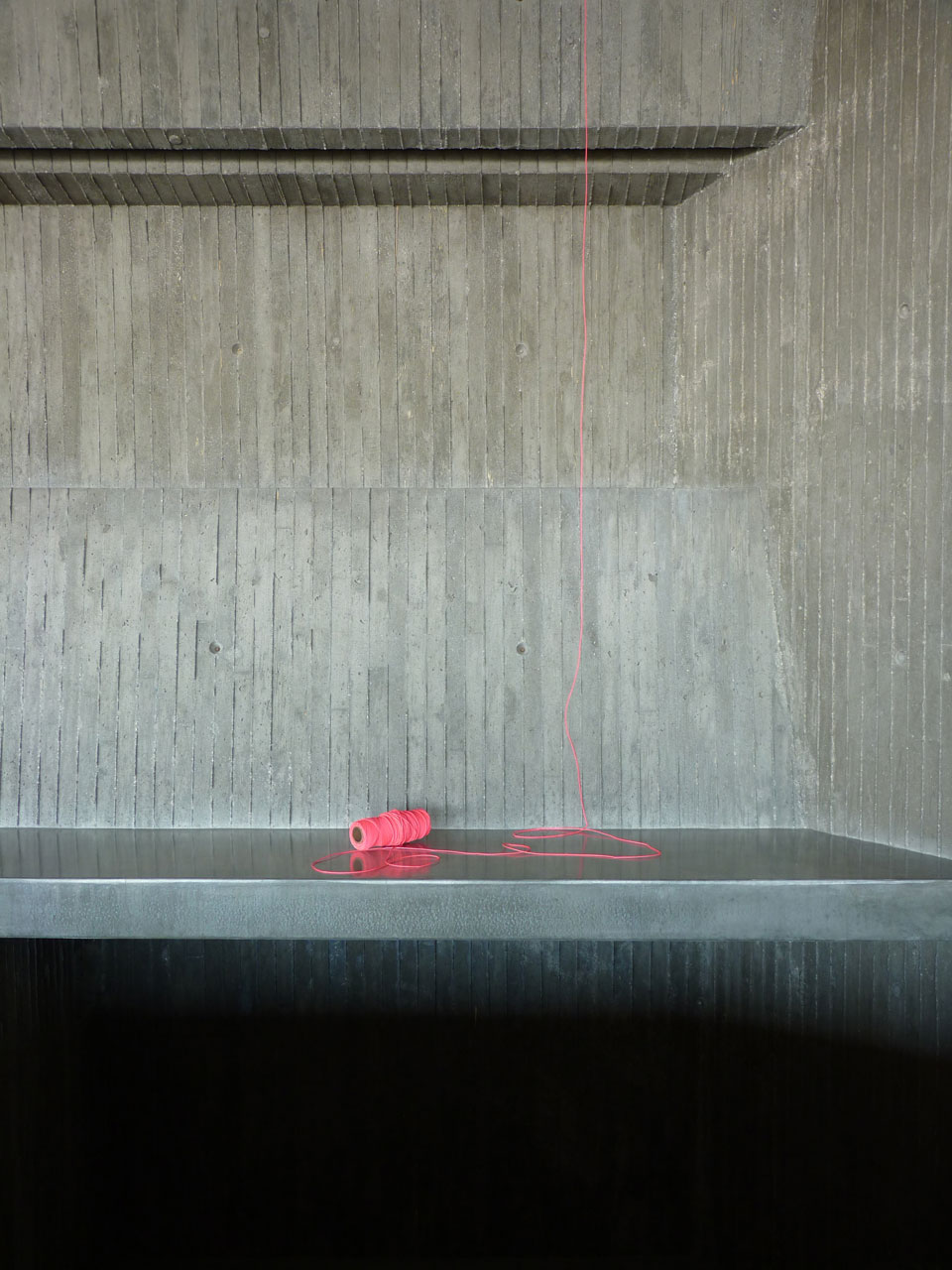
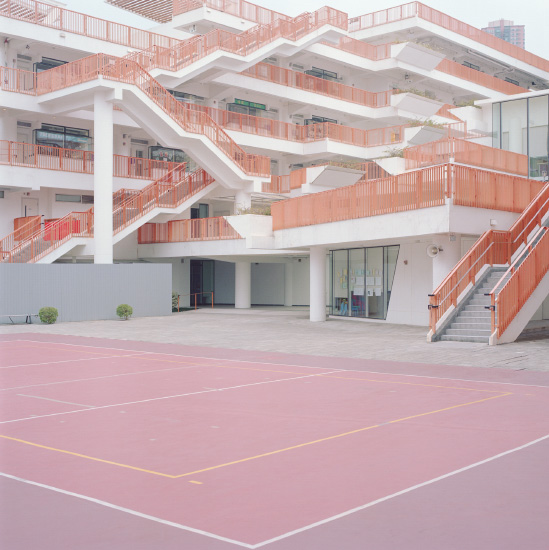
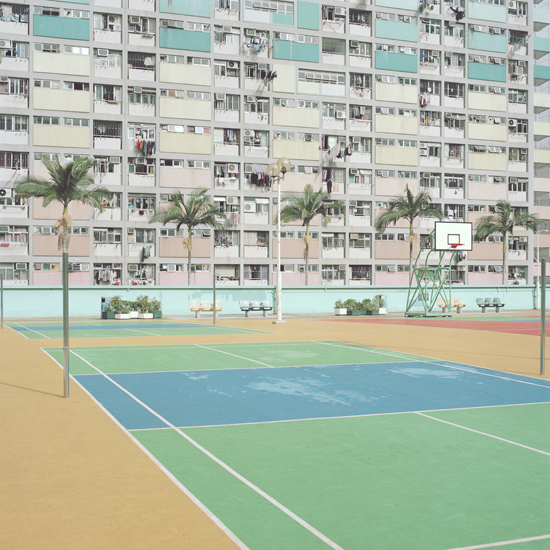
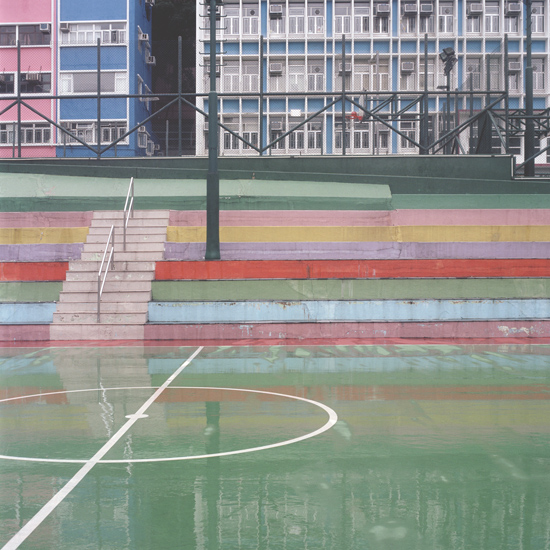
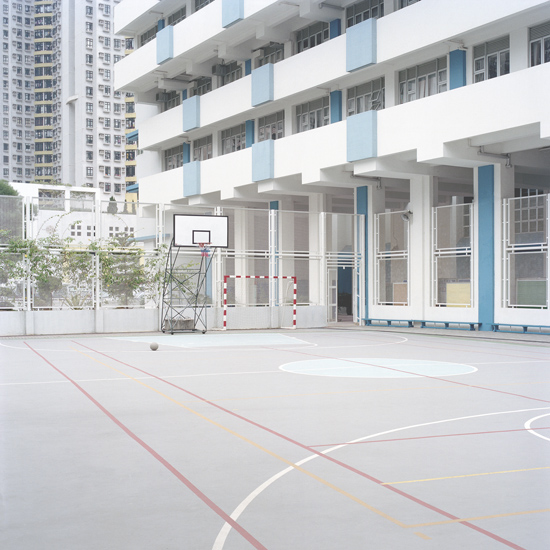
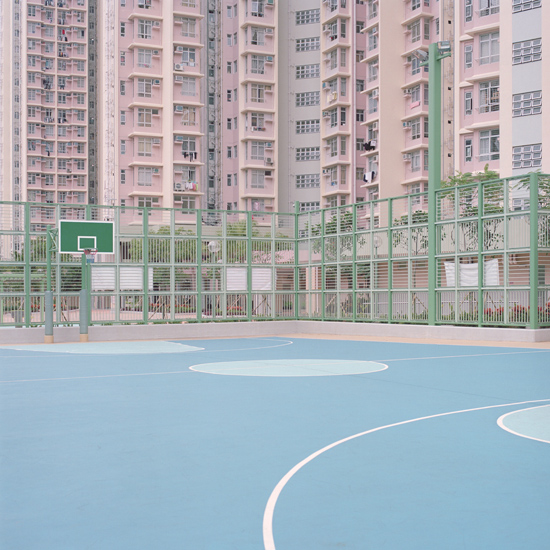
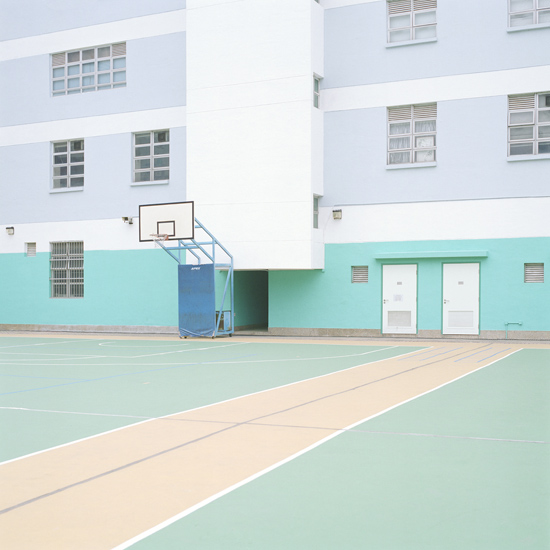
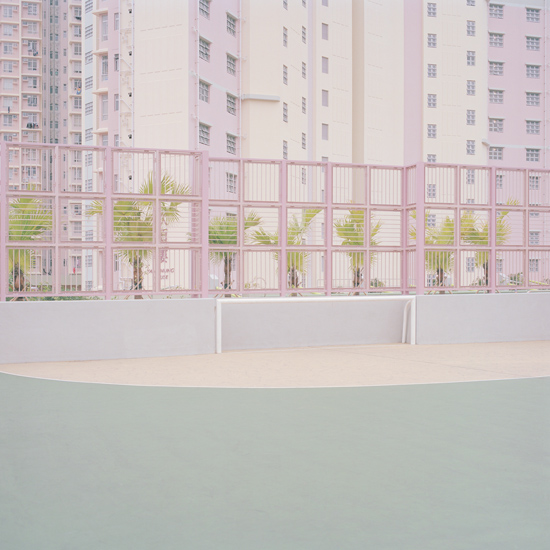
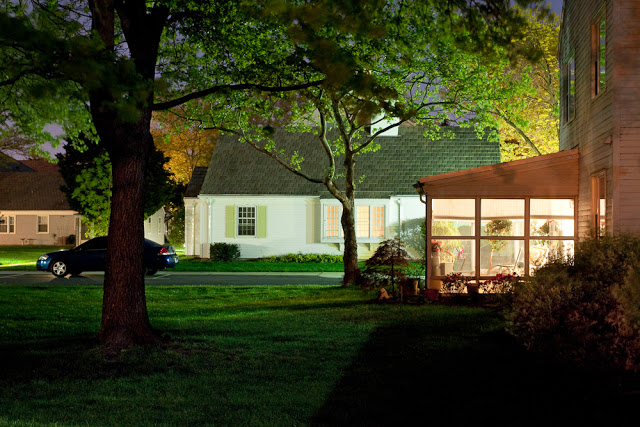
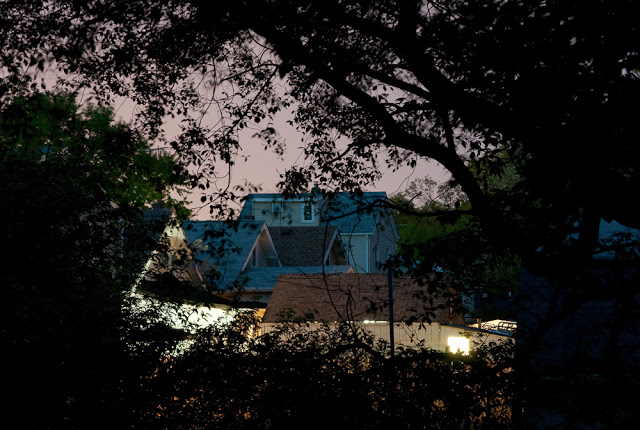
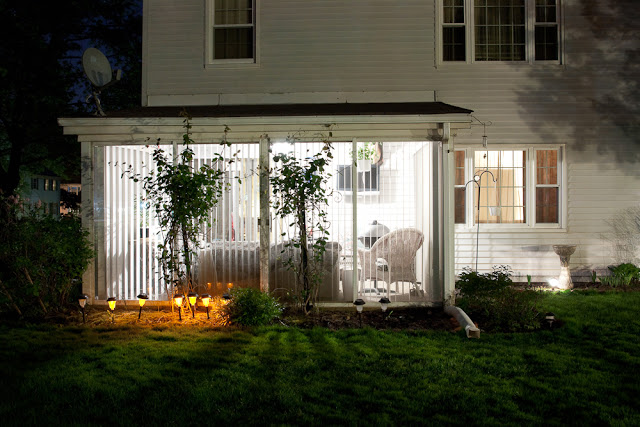
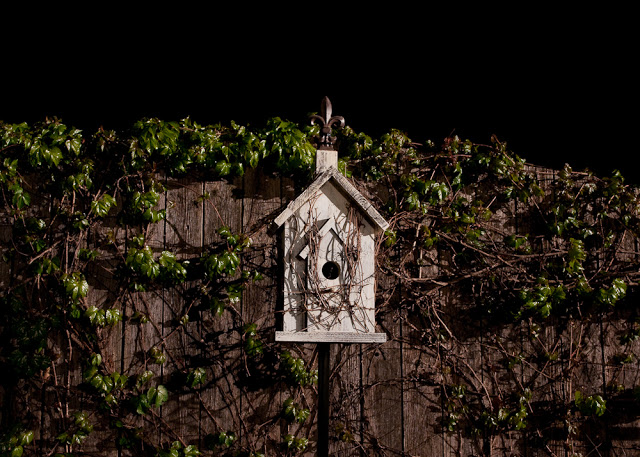
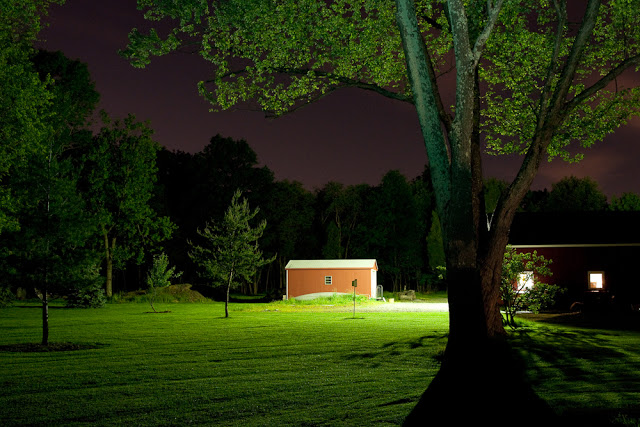
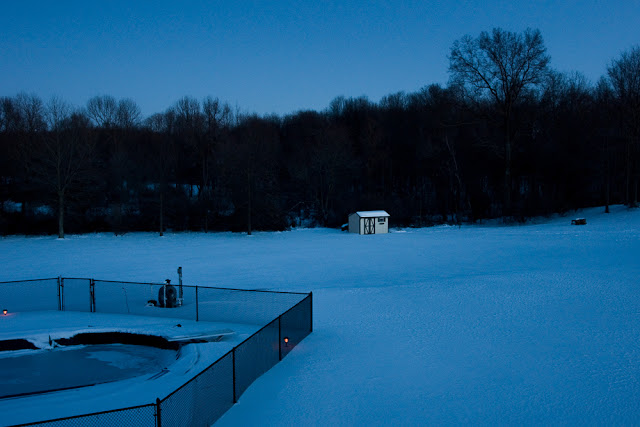
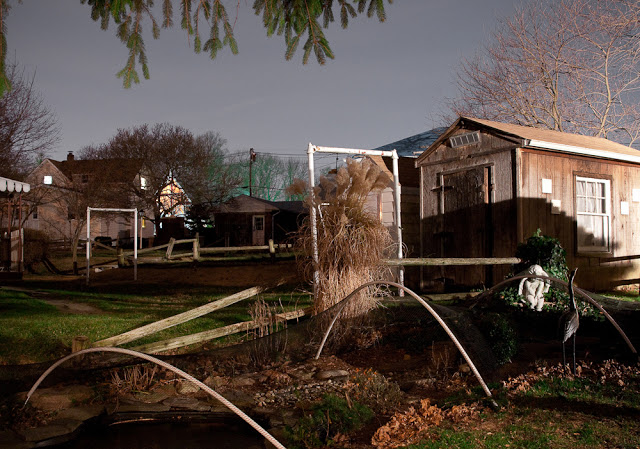
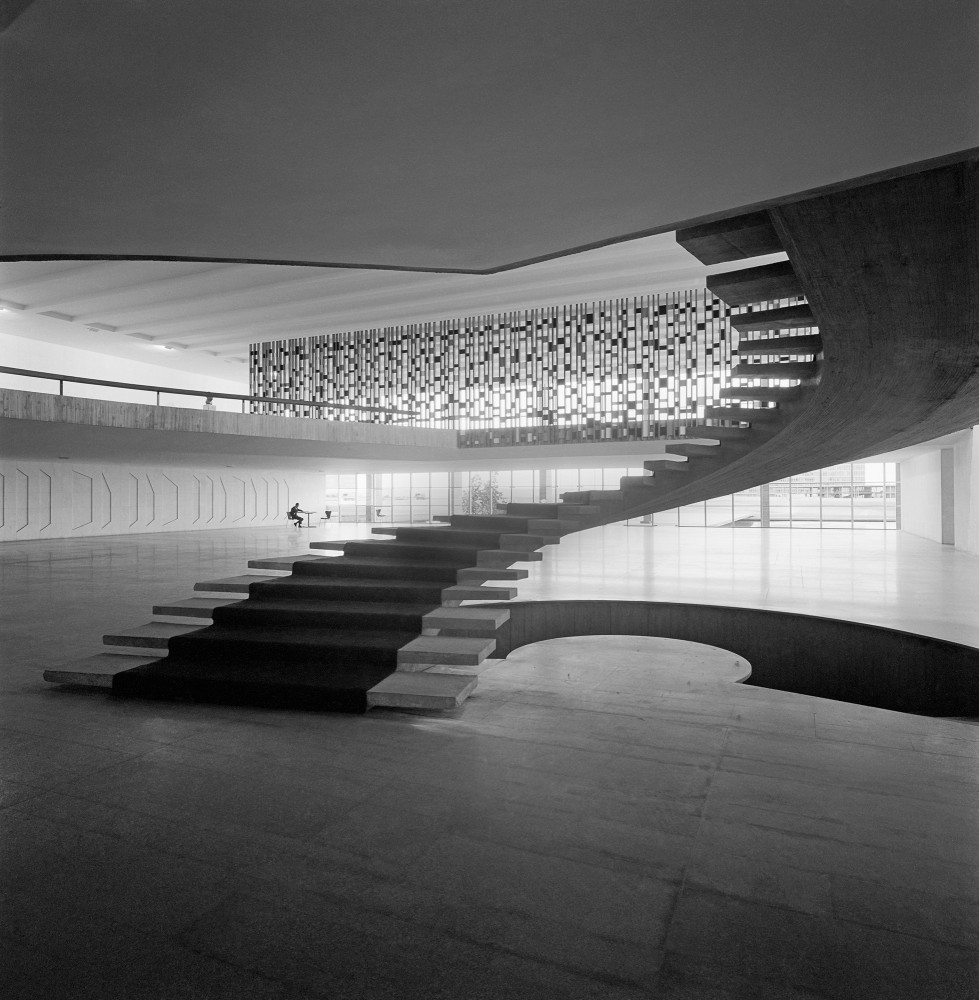
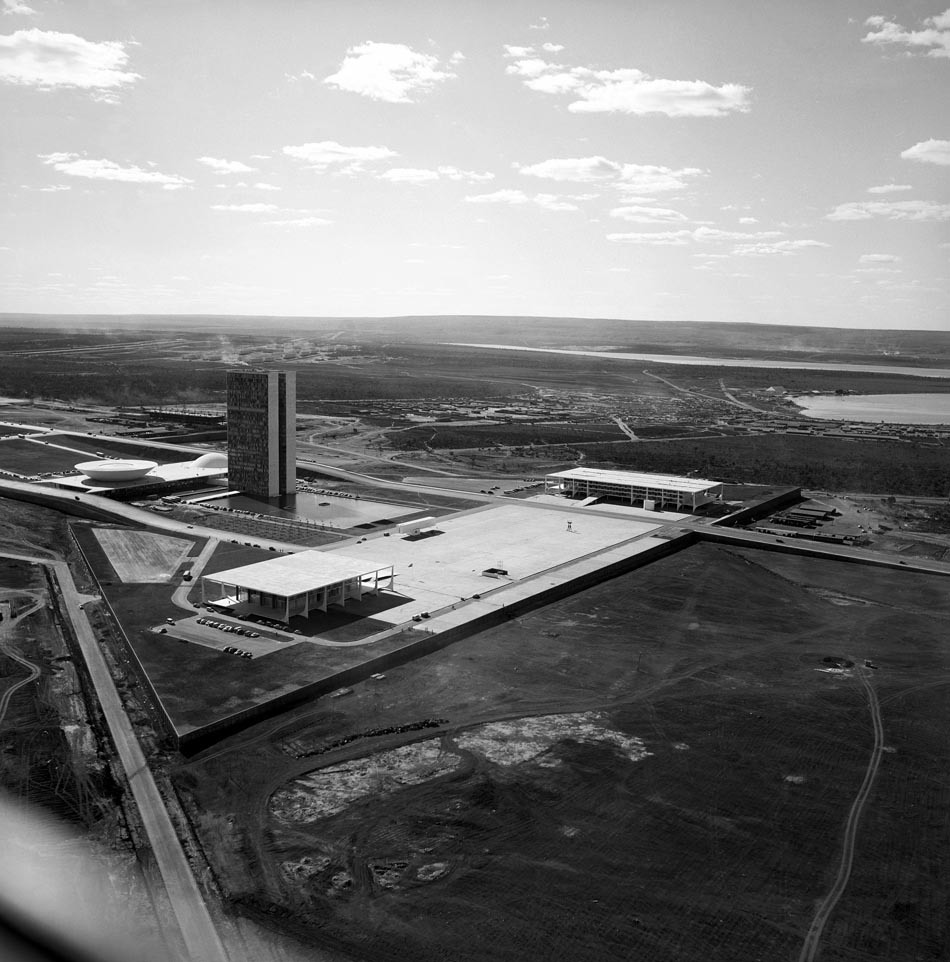
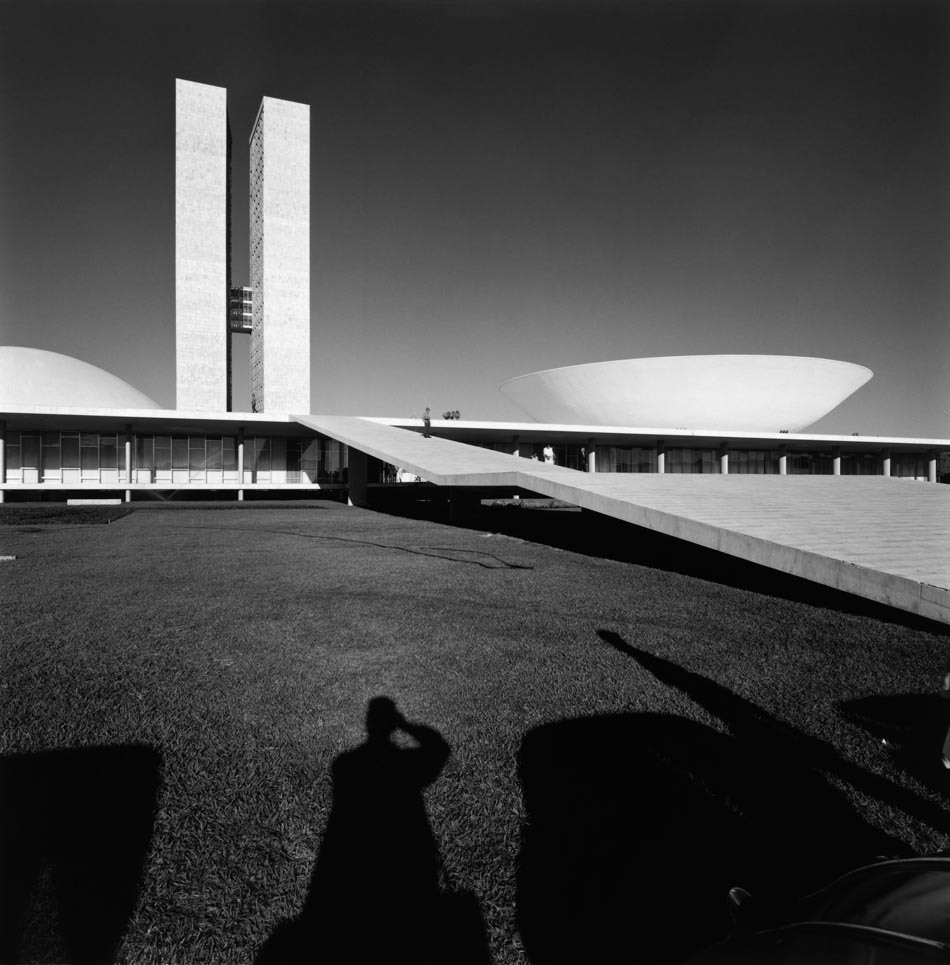
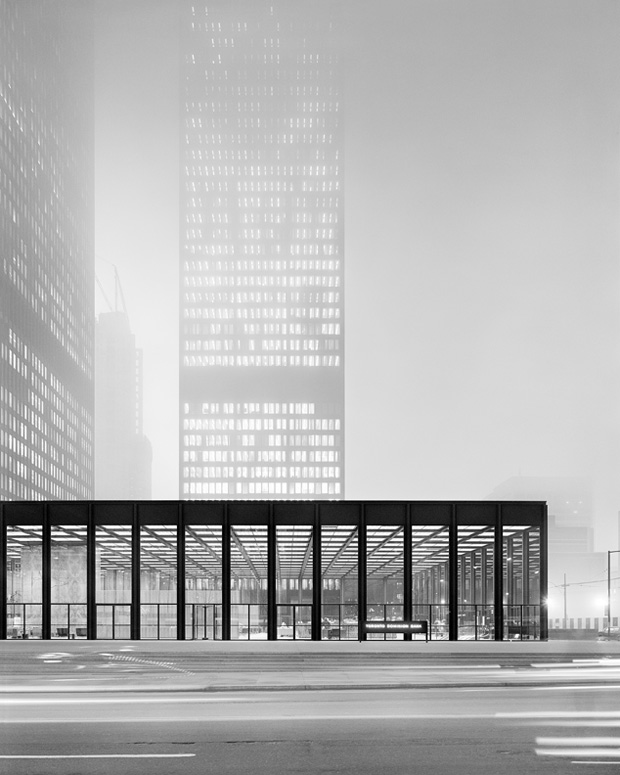
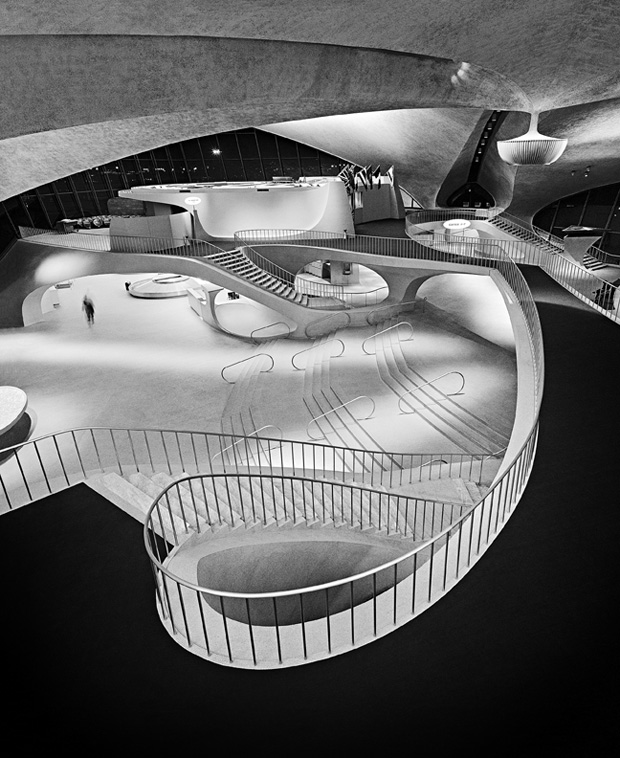
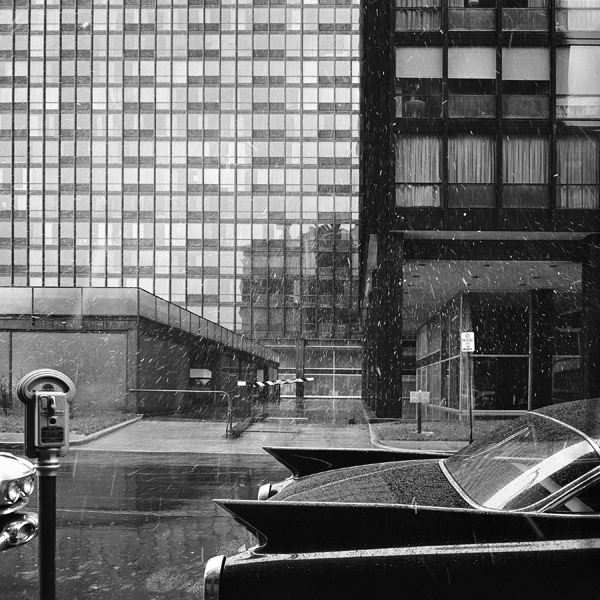
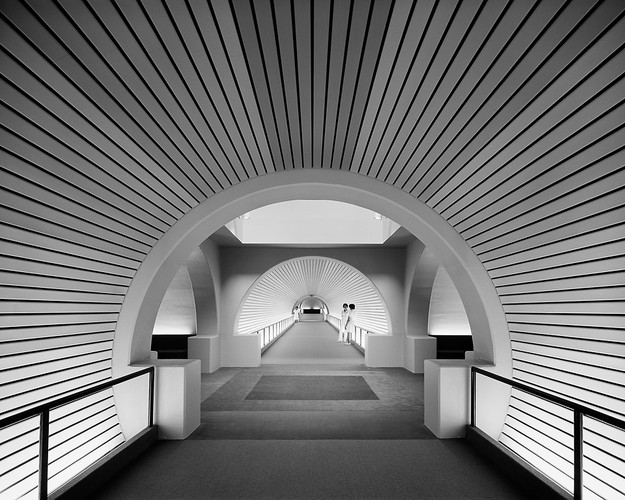
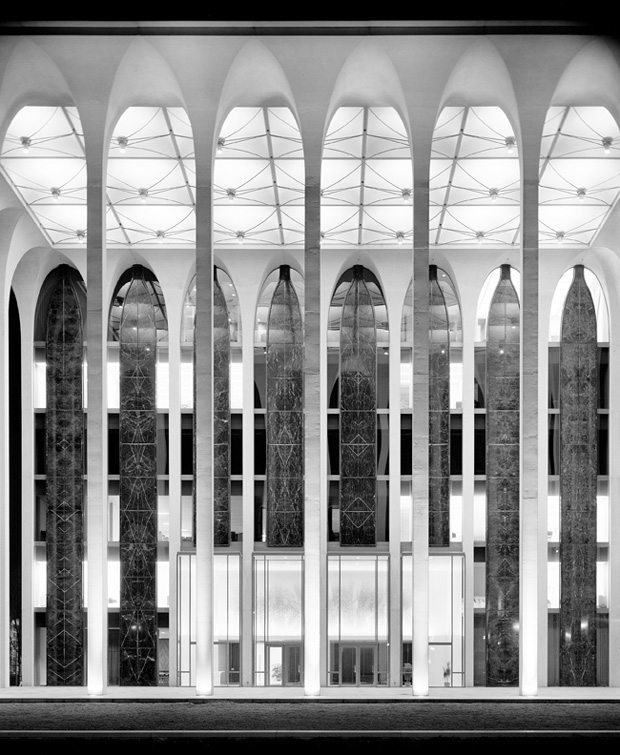
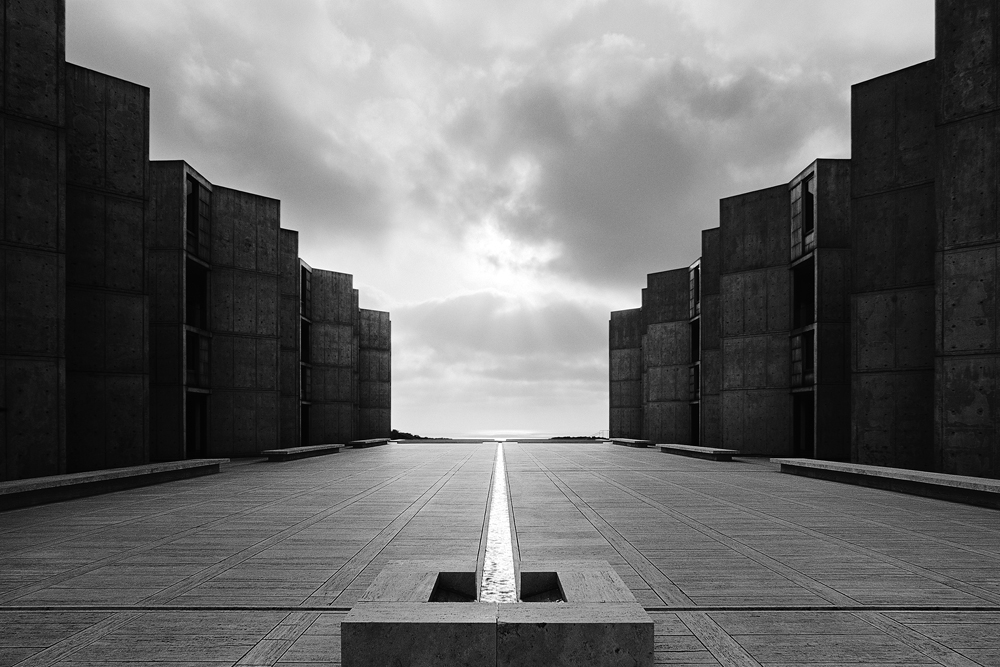
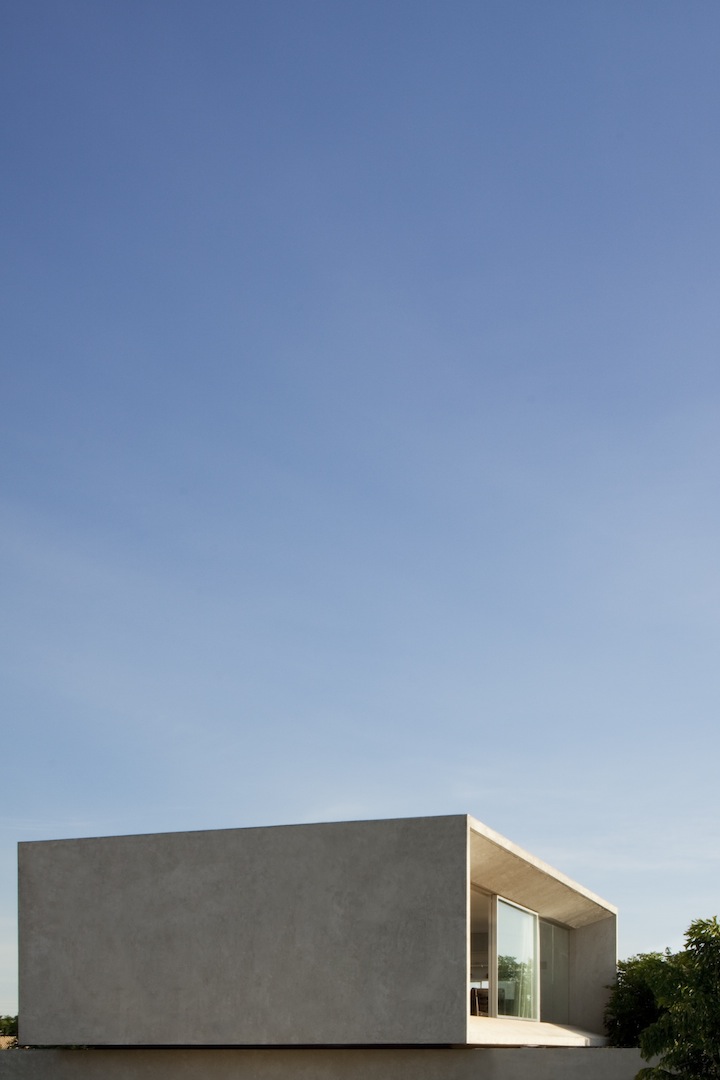
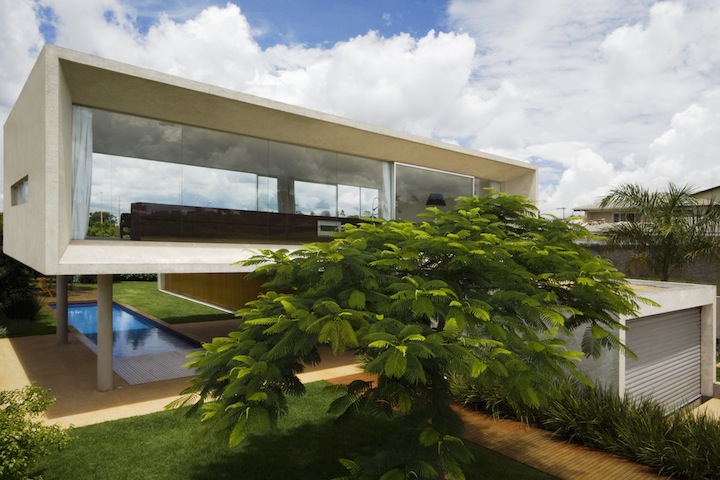
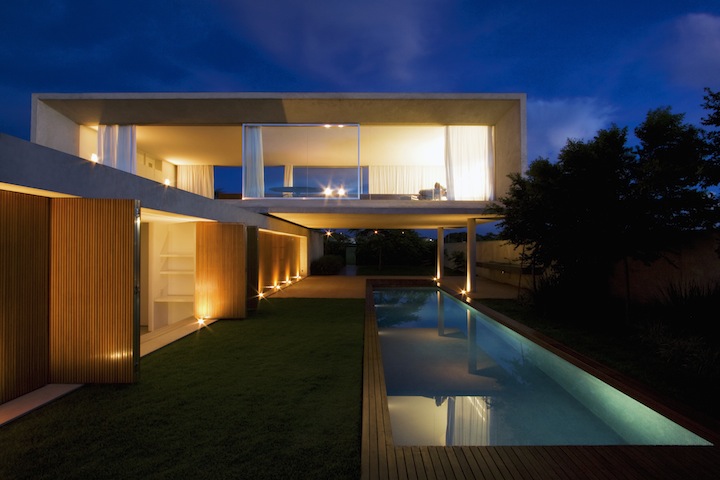
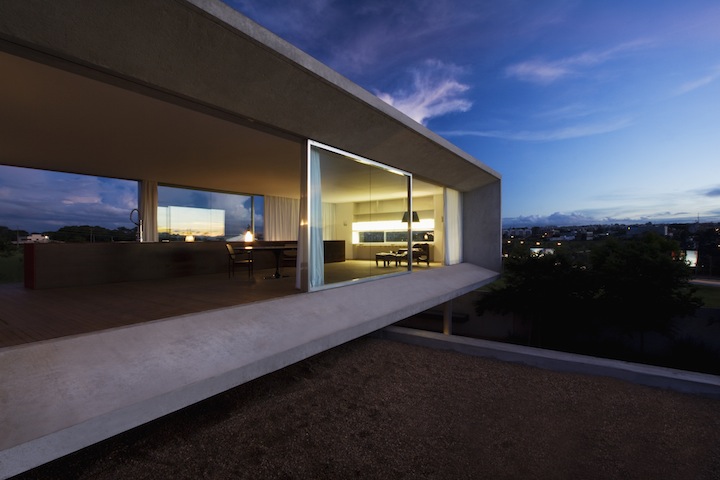
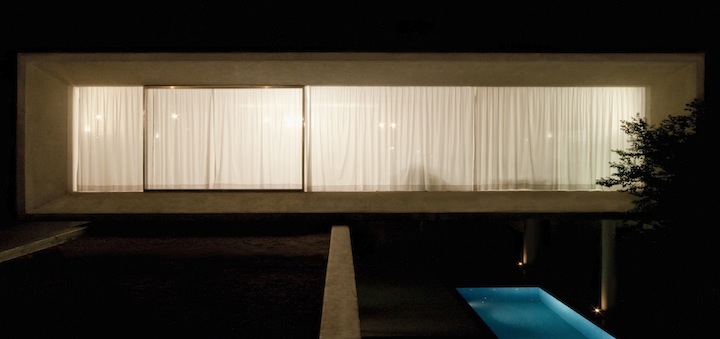
Architectural imagery by Philipp Schaerer. I love the negative space created by the buildings in his Bildbauten series. As he describes on his site, the images are based on the photographic language, and “reflect a built, exaggerated reality.” I’m not sure the techniques used in the creation of the images, but I love the results. You can try and decode his description on his site.

Micro Compact Home

Posted by Scott 05/5/09

2194_1_micro1big
micro-compact-home-by-horden-cherry-lee-architects-and-haack-hopfner-architects
microcompact
ts_2
faq_1
ltd_2
ISO50 is back online after the server apparently took a much needed 24 hour nap, hope you didn’t miss us too much…

Anyways, before the outage I had planned on posting this amazing prefab home from architects Horden Cherry Lee. The “Micro Compact Home” is a joint Japanese/German project and it shows. You really can’t go wrong with that combination and you also can’t go wrong when your new home is delivered into the mountains by some Swiss helicopter. Awesome. Loving that antenna too, or is it a flag pole? Either way it makes the whole thing about 100 times better.

The Architecture of Happiness

Posted by Alex 04/8/09

alain
I purchased The Architecture of Happiness by Alain de Botton because I loved the cover. I think it was the colors that first caught my eye. I was also intrigued by the shadow and the shape it created; how it almost touches the statue in the most perfect way. The eye follows the line it creates, and it helps reinforce the hierarchy of the page really effectively. For whatever reason, and as the title indicates the book may elucidate, the whole design makes me happy every time I look at it.

Why this design makes me happy, and to a greater extent, why architecture of a certain aesthetic caliber appeals to us, is largely what this book explores. It is a must read for designers of all disciplines as it pursues the question at the core of what we do: Why make things look beautiful (what does “beautiful” even mean?) and not just purely functional? One of my favorite parts of the book describes the principles of some nineteenth century engineers that felt like they had determined the end-all criteria for evaluating structural design:

The engineers had landed on an apparently impregnable method of evaluating the wisdom of a design: they felt confidently able to declare that a structure was correct and honest in so far as it performed its mechanical functions efficiently; and false and immoral in so far as it was burdened with non-supporting pillars, decorative statures, frescos or carvings. Exchanging discussions of beauty for considerations of function promised to move architecture away from a morass or perplexing, insoluble disputes about aesthetics towards an uncontentious pursuit of technological truth, ensuring that it might henceforth be as peculiar to argue about the appearance of a building as it would be to argue about the answer to a simple algebraic equation.

As the rest of the book unfolds, Botton examines, as eloquently as he does above, the alternative to what these engineers proposed. Why it is that we strive to make things beautiful, and what qualities beautiful work possesses. The parallels between his chosen arena of architecture, and other realms of design, are easily drawn, and make it very worthwhile for interested minds in every field. My favorite paragraph is on page 72, and does a nice job bringing together a lot of what he discusses in the book:
In essence, what works of design and architecture talk to us about is the kind of life that would most appropriately unfold within and around them. They tell us of certain moods that they seek to encourage and sustain in their inhabitants. While keeping us warm and helping us in mechanical ways, they simultaneously hold out an invitation for us to be specific sorts of people. They speak of visions of happiness. [Buy on Amazon]

- – - -

On an unrelated Note: Peter, of Buchanan-Smith, wrote in to clarify the attribution information of a previous post on designer Josef Reyes. The work presented was produced by the studio Buchanan-Smith, where Reyes works as a designer, and the post has been updated to credit the work to the Buchanan-Smith studio. Definitely make sure to check out their site, they have a lot of great work.
Linda Aldredge’s Treehouse

Posted by Scott 03/22/09

6a00e00992ac3d8833010535f96d66970c-800wi
l1023502
6a00e00992ac3d8833010535f973b3970c-800wi
6a00e00992ac3d88330105365a6cb8970c-800wi
Linda Aldredge is a graphic designer and the creative mind behind LuLu Organics. Also, SHE LIVES IN A FACKING TREE FORT. This is so amazing I can’t even put it into words, the pictures will have to fill in the blanks. Judging by the interior shots I’m pretty sure I would have a hard time coping with the rather spartan accommodations. But, of course, living in a treehouse would probably more than make up for any lack of modern accouterments. The best part is that the whole thing cost like $12,000 or something and runs entirely on solar. I really love the modern design of the exterior; it looks like it belongs right where it is. The house — situated in upstate New York — was designed by Kursten Bracchi and built by her and some friends. The images above are from an InHabitat article about the house which delves a bit deeper into the whys and hows of the whole situation. There’s also an in-depth look at the build process at DominoMag.
Seeing stuff like this makes me realize I’m going to wake up one day when I’m 60 and realize I never really did anything all that adventurous in my life. Maybe on that day I will decide to go into the forest and build a tree house, but I seriously doubt it and I also doubt that solar panels could provide the 200 jigawatts required to power my studio, even in 2037. Of course, all of this is likely moot as by that time we will have been enslaved by some sort of robot overlords and/or the Illuminati or whatever. But not Linda Aldredge, she’ll still be kicking it in the woods all off-the-grid style with her solar panels and iPod like that old couple in Children of Men. What? Anyways, point is, it would be cool to live in a treehouse.

Modernism 101: 50′s Architecture

Posted by Scott 03/13/09

mags101
Just a few gems from the Modernism 101 collection. Modernists in the 50′s had it down and it’s images like these that remind me it wasn’t all garishness back then. Not everything had bubbles and fins and bulges; some people were hiding out in the woods quietly appreciating their straight lines and right angles. Unfortunately, most of them stayed in the midwestern United States. Out here in San Francisco, apparently they decided that the height of architecture was the victorian age so all we got is a bunch of ugly houses with 400 rooms in them and Mel’s Drive In.

The Modernism of Julius Shulman

Posted by Alex 03/9/09

rotatephp3
6a00d8341cd7ed53ef00e5506889038834-800wi2
o_shulman_122
picture-72
o_shulman_62
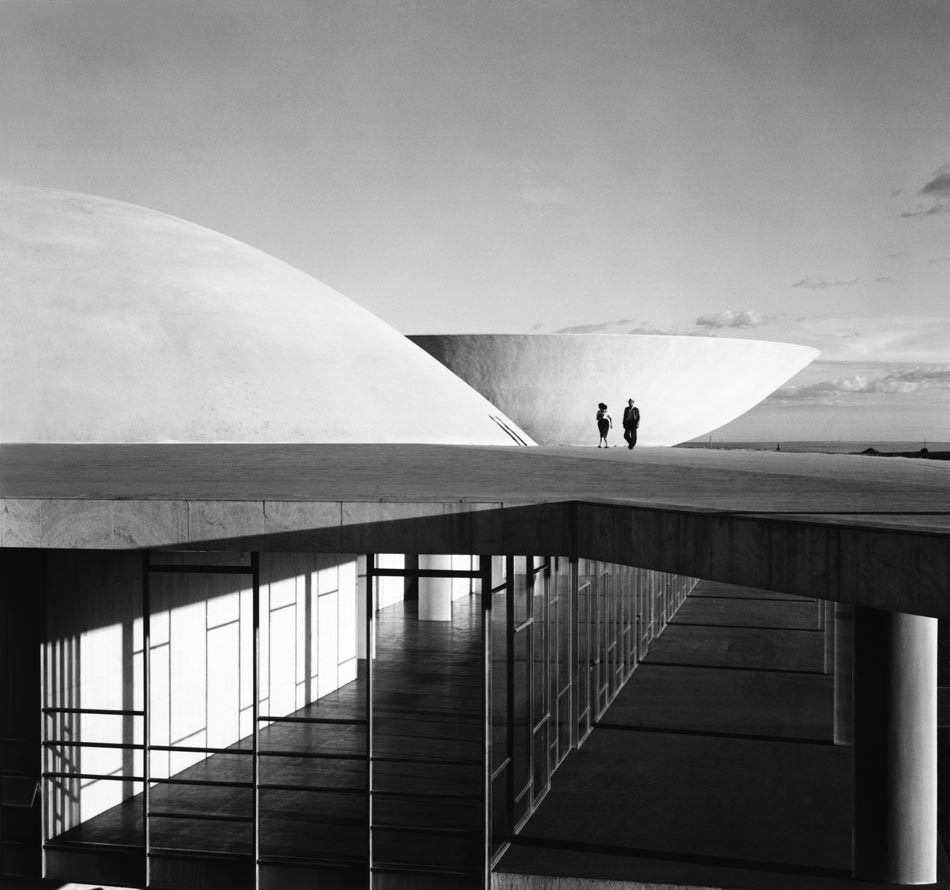
Visual Acoustics is a documentary about architectural photographer Julius Shulman. It’s been touring the country since July of last year, when it premiered in Los Angeles, and just recently won an award for Best Documentary Feature at the Palm Springs International Film Festival. I guess it’s not hard to believe; mix photography, modern architecture, and film together and you have an unbeatable combination! Shulman’s work epitomizes architectural photography, and it would be fascinating to hear him talk about it and get an in-depth look into his world. I just watched the trailer and it really does look amazing. I just wish they would have a screening in San Francisco…

Anyone seen this yet?

Populating his photos with human models and striking landscapes, Shulman combined the organic with the synthetic, melding nature with revolutionary urban design. The resulting images helped to shape the careers of some of the greatest architects of the 20th Century…Through the exploration of both Shulman’s art and uniquely individualistic life, Visual Acoustics offers an unforgettable portrait of Modernism’s most eloquent ambassador. [Link]

Frederic Chaubin: Soviet Sci-Fi

Posted by Scott 02/23/09

frederic_chaubin04
frederic_chaubin01
frederic_chaubin03
frederic_chaubin
Pop Up Storefront Los Angeles showcased some great photos from Frederic Chaubin, the Cambodian born French-Spanish editor of Citizen K magazine. The show, entitled “CCCP: Cosmic Communist Constructions Photographed”, focused on Chaubin’s fascination with the sort of futurist architecture that came out of Soviet Russia’s Cold-War era. I’ve always been quite impressed by Soviet architecture like this; they somehow built real versions of all those artist’s renderings of future societies that people were cranking out in the 50′s and 60′s. I’ve never seen it represented quite so faithfully; Chaubin’s photos really capture that whole utopian society vibe.

PingMag Interview With Caubin
NYT coverage of the show

Hundertwasser Architecture Models

Posted by Scott 01/16/09

1343866594_d4a064ef76_b
1343866586_4268a2f7e9_b
My dad was a civil engineer so he would sometimes bring home project models and I loved to play around with them, but most were your basic hotel mock-ups and the like. It’s probably for the best though, if he had brought home anything like the examples above my head would have exploded. These are simply amazing. I want these under a plexi-glass bubble in the middle of my living room. Apparently they were taken from Taschen’s “Hundertwasser Architecture: For a more human architecture in harmony with nature” book. I found the pics on Doctor Casino’s flickr page where there are more details. Link

Tom Kundig: The Nature of Design

Posted by Scott 01/6/09

kundig4
kundig2
kundig3
kundig1
I stumbled across this great article about architect Tom Kundig’s work on WSJ today. That first house is off the charts amazing, I’d move in tomorrow despite the fact that it’s in the middle of nowhere (at least I’d get a lot of work done). Kundig’s goal is to find balance between the structure and the landscape and from the looks of things he’s doing just that. Once again though, after browsing his portfolio I am realizing if I ever want an amazing house like this I’ll probably have to move to a more rural setting (and find a bag full of money on the way out there). It must be so amazing to be in, for example, Mazama, Wash., and come across structures like these in the wilderness.

Casa BF / Humberto Hermeto

Posted by Scott 01/3/09

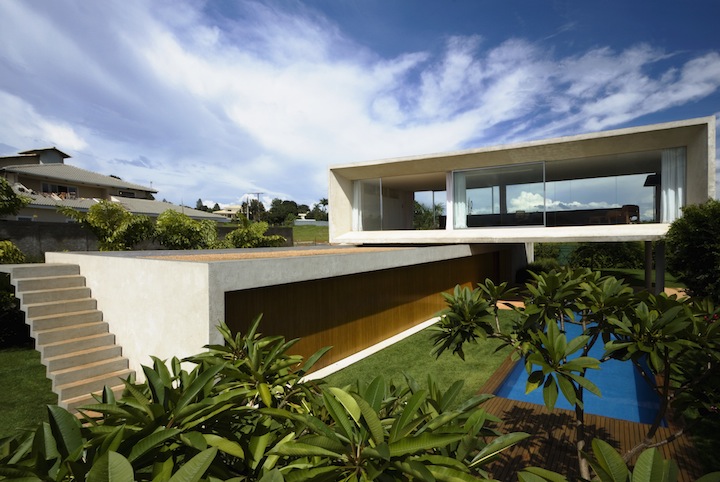
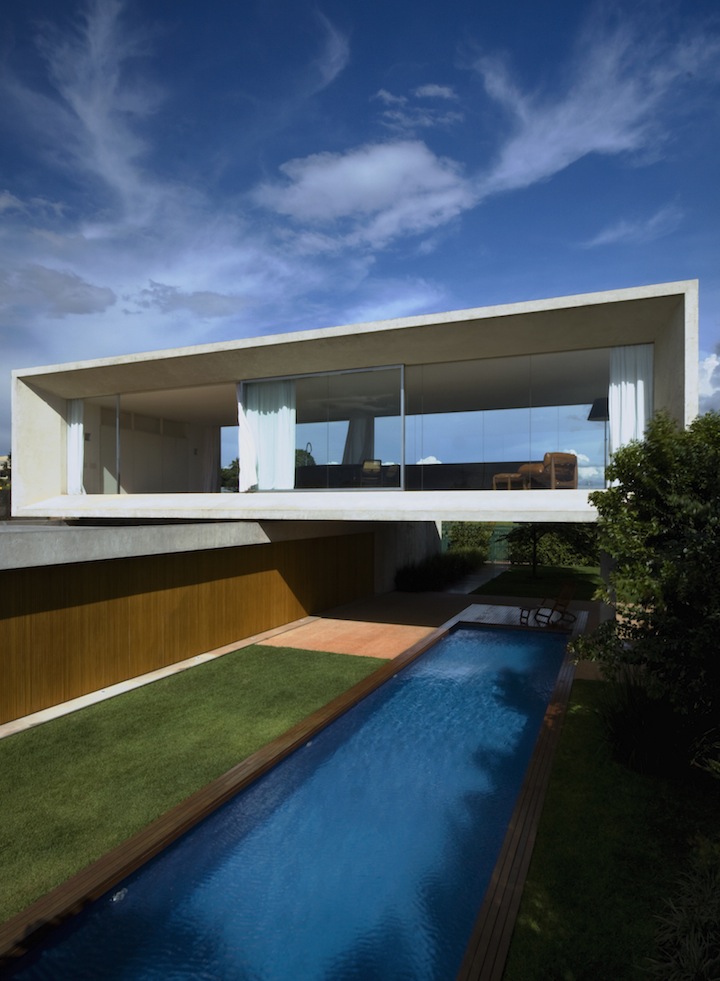
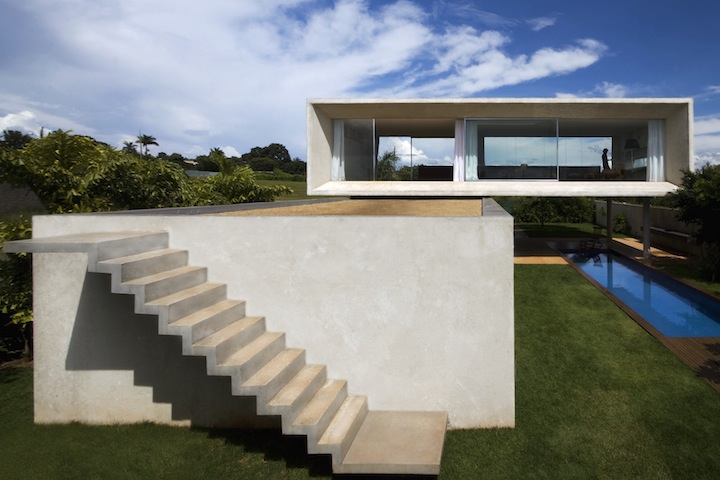
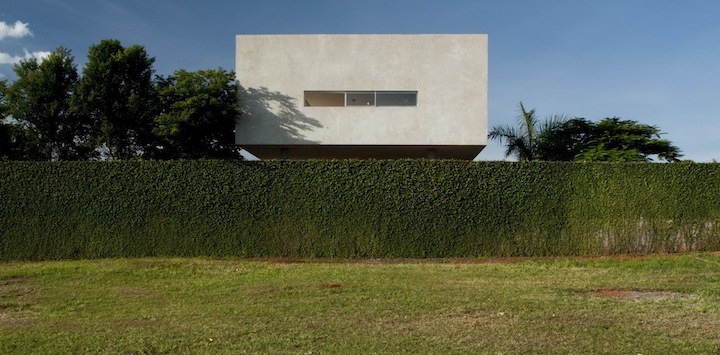
370345119_bf-05.jpg  1006863892_bf-04.jpg Saw this incredible house by Brazilian architect Humberto Hermeto posted on Notcot today, amazing! I guess the plan is to first save up and buy a bunch of Herman Miller pieces, then build a house like this around them. Though aesthetically pleasing, I often wonder if would actually be fun to live in a house like this. I have a lot of odds and ends around here, wires hanging out from behind stuff, basically crap everywhere. That probably wouldn’t look very hot next to a stark, modern backdrop like this. But I suppose if you can afford this kind of house you can probably afford some sort of crap organization system, from Design Within Reach. More info and pictures are here

Architect Jamie Darnell

Posted by Jakub 10/24/08

jd1
jd2
I picked up the new copy of Dwell earlier this month, there is a great article about rethinking the trailer park style living that is pretty interesting for prefab home buyers(some of you probably just had chills going down your back just thinking about). The reason I picked up a copy initially was this article on Jamie Darnell’s home, I love everything about the outside of it even down the address numbers on the side of the house(which for some reason i can’t find anywhere, you’ll just have to see it for yourself).

70′s Finnish architect Matti Suuronen

Posted by Jakub 08/12/08

Matti Suuronen
Matti Suuronen
Matti Suuronen
Lately i’ve been looking into a prefab home and how much they run so i can start saving maybe. Anyone here know anyone that owns one or stayed in one? do they like it? i heard in Germany that it’s actually something people are buying.

On a side note i can’t believe this house isn’t treated well.

Nestle Museum, Mexico

Posted by Scott 06/16/08

testuser5_oct2007_01_nestle_0waOTe_1Ha4Tmtestuser5_oct2007_02_nestle_1waOTe_3Ha4Tm testuser5_oct2007_03_nestle_2waOTe_Bzai9ytestuser5_oct2007_08_nestle_bxaOTe_9Ha4Tm testuser5_oct2007_05_nestle_7waOTe_Fzai9y
"This is a new Nestle Chocolate Museum in Mexico City designed by Rojkind Arquitectos in origami style. When things of a chocolate museums an image of a house in the shape of a chocolate bar pops into mind, this museum is in the shape of origami and looks great. The museum displays Nestle’s chocolate products and now is welcoming visitors. It took 75 days to design and build."

Via Arquitectura

Sanzhi Pods

Posted by Scott 04/11/08

0315sanzhi1 0315sanzhi2 0315sanzhi6
A sad day indeed when something this amazing is left to decay. This is of course in the vein of the previous post. Via Daniel Carvalho via yusheng.

"From what I can gather online, this place was built in the 70s as a resort but was later abandoned. I couldn’t find any definitive explanation about why exactly it was abandoned, however. There’s some talks about failed partnerships and/or real estate bubbles. Apparently the location is too hot in the summers and too cold in the winters. The fiberglass shells of these houses certainly don’t help with insulation. I also couldn’t find out whether they were ever occupied in any capacity.
If you are in Taiwan, it’s definitely worth a visit. From Taipei, head towards Danshui, get on Route 2 and follow the direction for Sanzhi. It will be on the left side of the road, along the coast. You can’t miss it. See the aerial view from
Google Maps."

Bang & Olufsen Denmark

Posted by Scott 11/14/07

bangolufsen_khrarkitekter300307_1
Via E-Architect:
"Bang & Olufsen’s main building in Struer is anchored in the landscape, where the design and production company has its identity. The building was inaugurated in 1998 and is to be experienced as a large showroom for Bang & Olufsen’s company culture and production."

There is another shot of the KHR designed building and interior at the site. Neither are as good as this one though.  The building was completed in 1998 but this shot looks like it could be from a 70′s architectural digest.