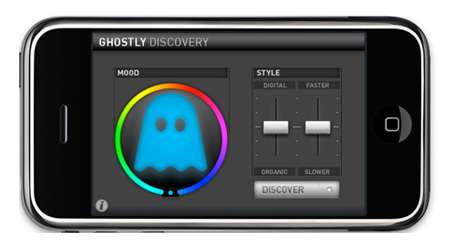
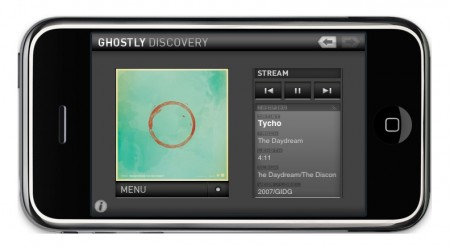
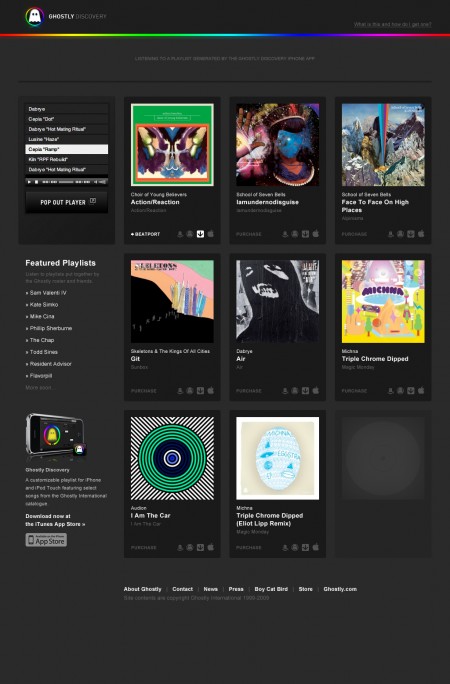
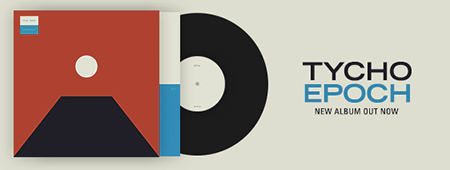
Here’s something to keep you busy over the weekend: The Ghostly Discovery App for iPhone. The free app allows you to create streaming playlists from the Ghostly catalogue by choosing a “mood” via a spectrum color wheel and a “style” via fader-like sliders. It’s sort of like Pandora but instead of picking a specific artist, you use the mood and style of the music you’re looking for as a starting point. And of course, you can find some Tycho stuff in there too. Check it out here
Update: Sorry, but as many of you pointed out in the comments, the app is not yet available internationally. Ghostly is working out the international licensing issues and it should be out soon. You can sign up to be notified when it is available by entering your email at the bottom of this page.
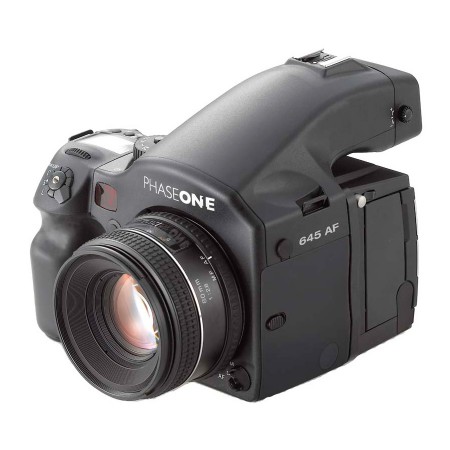
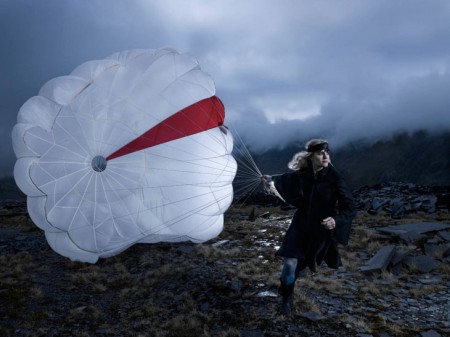
Whenever I see images like the ones below by Drew Gardner, I always ask myself how the hell they do it. Apparently they do it with $36,000 cameras. That’s not to say it’s all about the equipment, but 39 mega pixels doesn’t hurt. The Phase One camera system seems pretty incredible: a medium format, full-frame sensor that can produce “Noise-free exposures of up to an hour”. Crazy…
Artistically Gardner’s work (examples below) isn’t really my style, but technically it always amazes me that people can create images like this. The Strobist recently mentioned Gardner and his Phase One Masterclass. At $2,850 I won’t be attending anytime soon, but it would be great to see the process of someone who has mastered photography on this level.
Here’s a peek at Gardner’s process in his “Epic Location Photography” trailer:
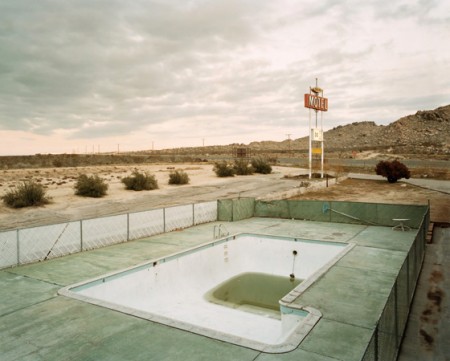
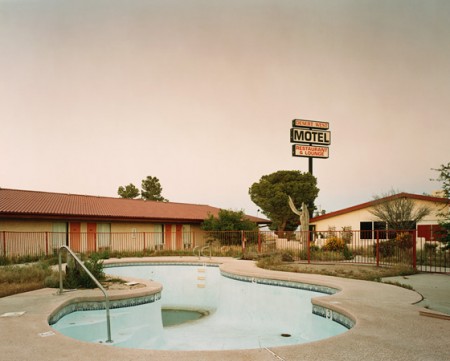
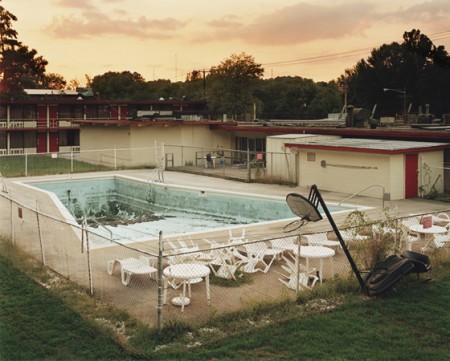
I’m all about lonely and melancholic photography this week — though more importantly — I’m really into the effective implementation of a deceptively simple concept as seen above. Like Nobody is there, this series by J Bennett Fitts steers clear of any human subject; this time with a slightly more ominous tone. The focus of No Lifeguard on Duty is the abandoned swimming pools found throughout the country, usually alongside a similarly neglected hotel/motel from the 60’s. Just in time for summer! (At least in San Francisco…elsewhere in the country a more appropriate summer image might have the pool filled with water and people frolicking about. Here, summer means cold and foggy.)
Swimming pools are signs of spiritual optimism, economic prosperity and the hedonistic good life, so the image of a pool dried up and cracked or half full of dirty water becomes a symbol of disappointed hopes and dreams. A sign on the wall by a pool that was filled in with grassy sod says, ”No lifeguard on duty,” which is funny at first, and then starts to sound like an ominous judgment about modern American life. Ken Johnson
Photographer Tim Navis is participating in The Mongol Rally, a drive from the UK to Mongolia. You can follow along at Tim’s Rubik Crew page. Seems like an incredible adventure, I imagine he’ll be coming back with some amazing shots, can’t wait to see them. And in case you haven’t checked in on Tim since we last featured him, here are a few of his recent shots to refresh your memory:
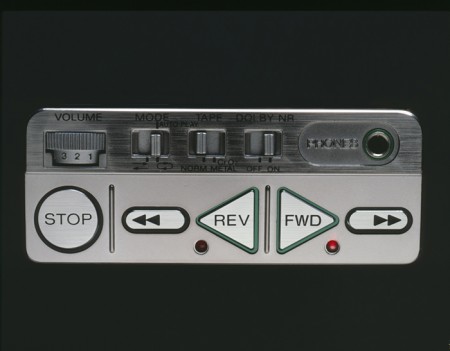
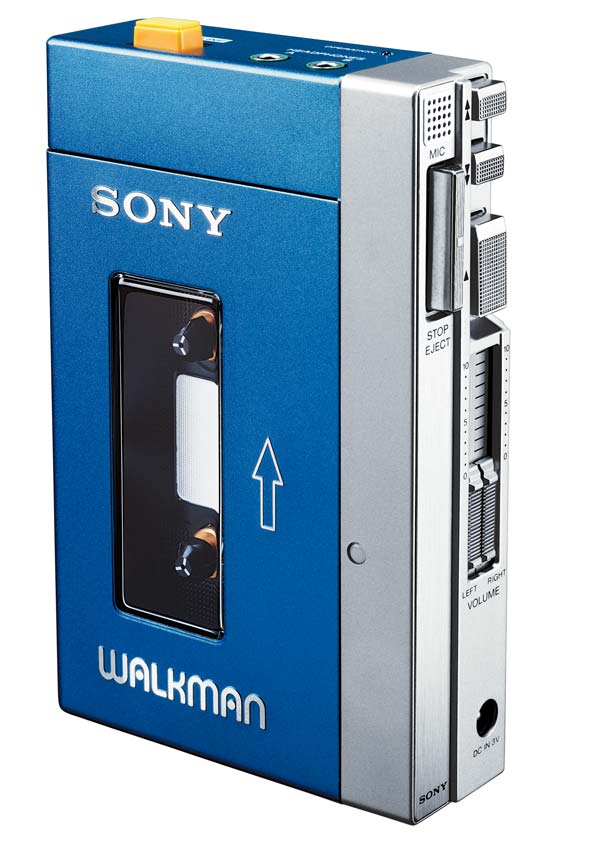
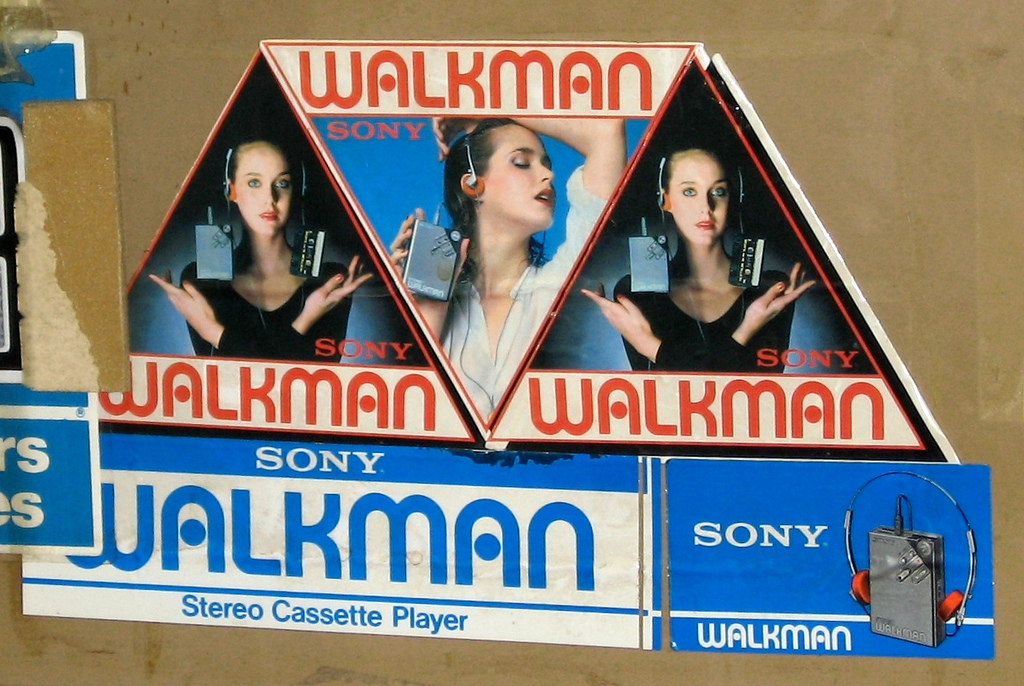
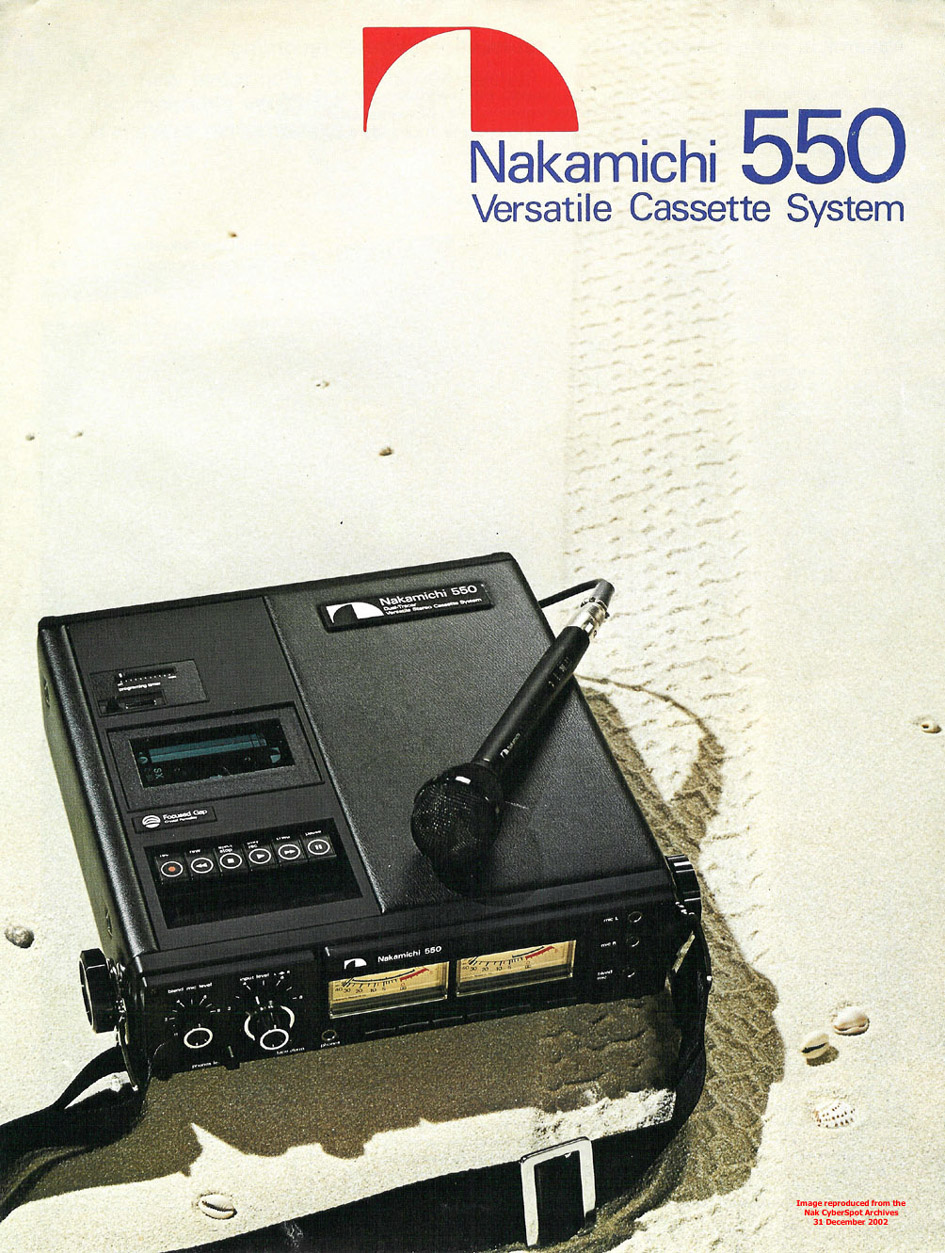
Create Digital Music has a nice piece on the Walkman’s 30th Birthday. Pretty surprising actually, I don’t think I became aware of the Walkman until ’85 or so. Peter Kirn makes a good point: “Sony once had iconic design..” Link
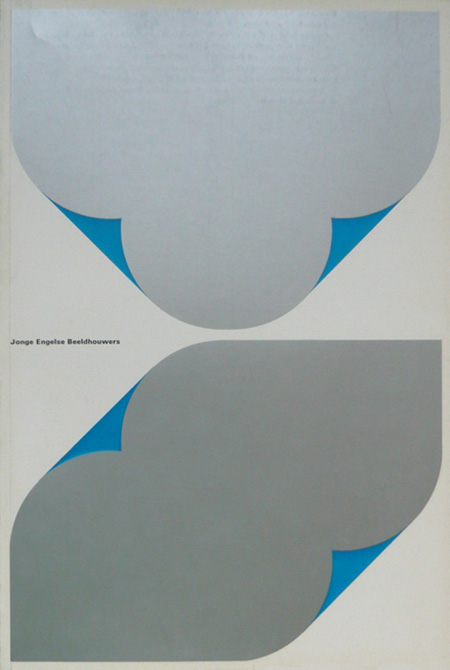
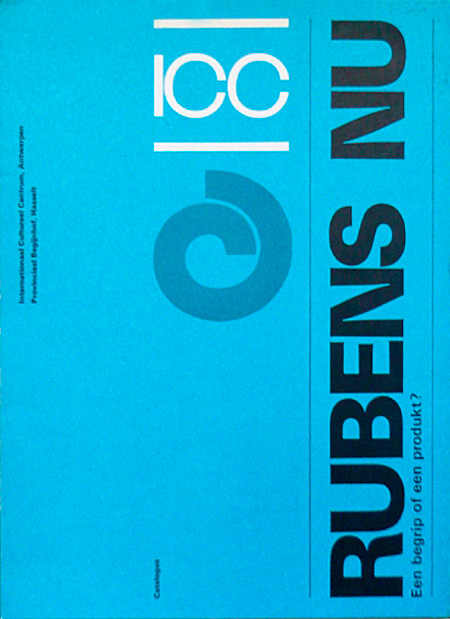
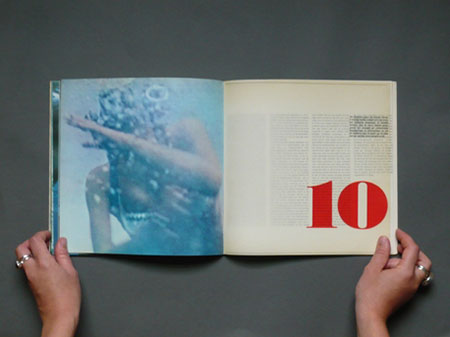
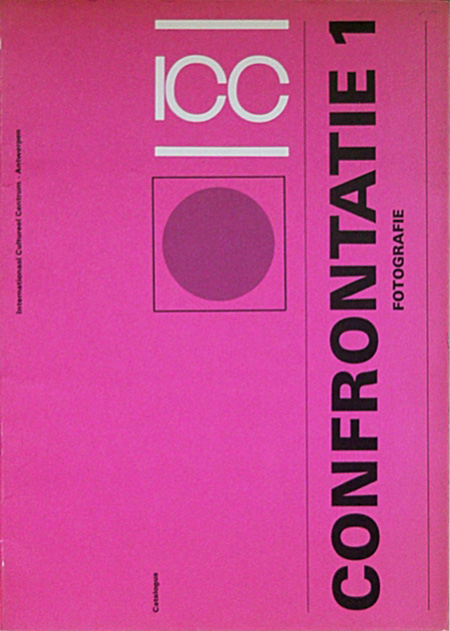
I almost didn’t want to post this link just so I could snag a few of the books, but I don’t think I really need to add any to my collection right now. The Strange Attractor turned me on to Counter-Print’s great selection of vintage design books. The real beauty here is the pricing; pretty reasonable compared to what I have seen elsewhere. The main attraction for me though are the great pictures and excellent page selections. Counter-Print: please, please keep your archive of sold books going (the grayed-out selections at the bottom) so we’ll always have a record of some of these rare finds.
Design books in general have always been a dichotomous obsession for me. On the one hand I am compulsively drawn to them; as if owning a physical copy of the images inside will allow me to understand or appreciate them better. But on the other hand, I rarely refer back to these books once I’ve owned them for any amount of time. They look nice all stacked up on the bookshelf, but whether they serve any real function beyond that I can’t really say. I suppose they are good to refer back to for inspiration or reference but for some reason I never actually take the time to crack most of them open. I suppose they aren’t really meant to be all that functional, perhaps they’re best viewed as a collection and something to be enjoyed as a whole. At any rate, you could do your own collection some serious good by checking out what Counter-Print has on offer.